
 VI
VIPROJECTION MAPPING – ELEVATING SPATIAL EXPERIENCES THROUGH ADVANCED DISPLAY TECHNOLOGY
Projection Mapping goes beyond simply displaying visuals—it introduces a new approach to event space design, where projection technology transforms every surface into part of the experience. From large-scale stages to brand conferences, this solution is increasingly adopted to enhance visual impact and strengthen content delivery.
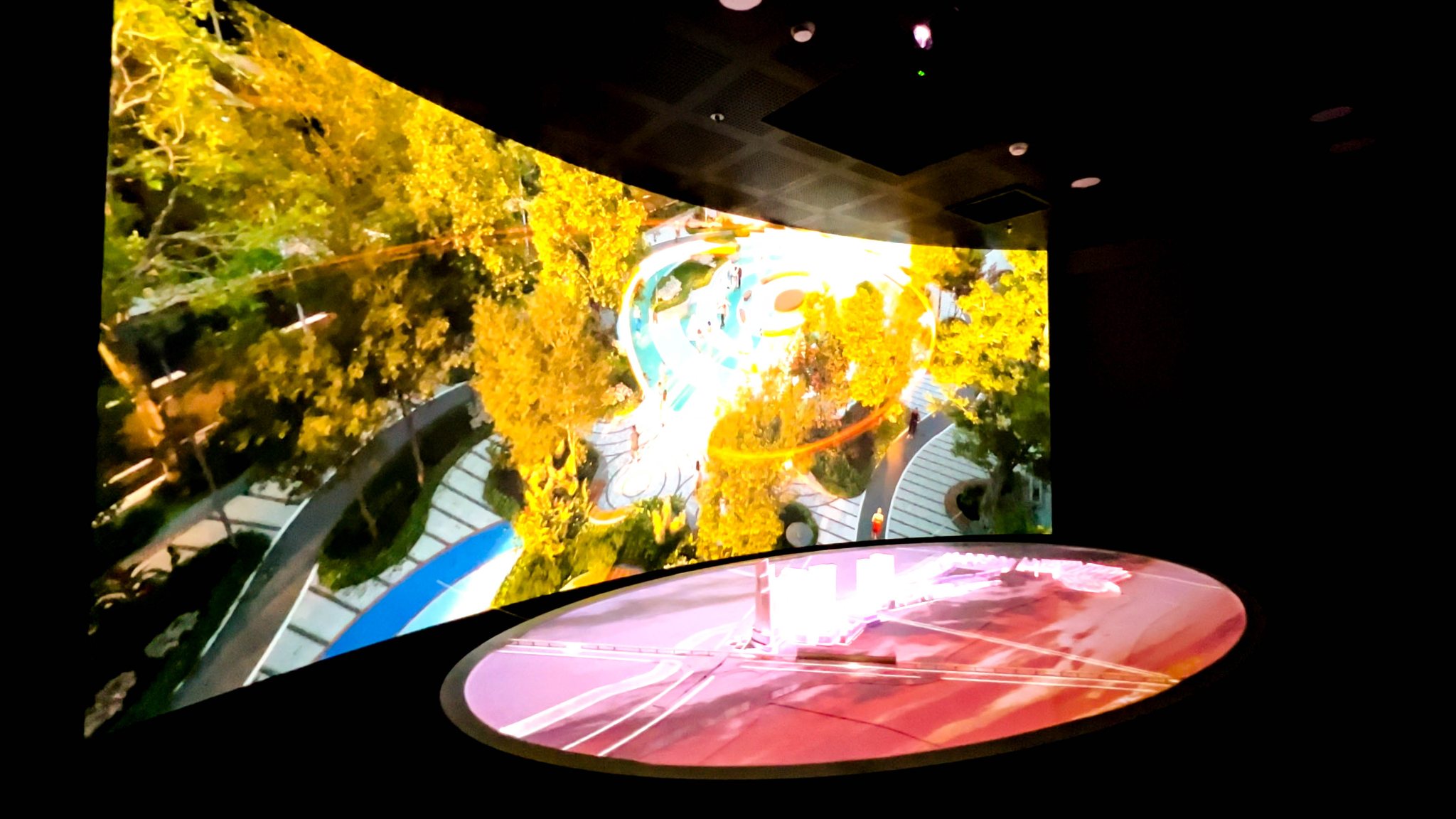
Alta Media deploys Projection Mapping to shape an emotional journey at The One Space
As events place greater emphasis on experience, display technology is no longer limited to presenting information—it has become integral to how space is designed and perceived. Rather than relying on fixed frames, current trends focus on integrating content directly onto architecture and physical objects, creating a seamless connection between visuals, lighting, and real space. This shift forms the foundation for the growing adoption of Projection Mapping across various event formats.
Projection Mapping uses projector systems to display content onto non-flat surfaces such as stages, objects, or architectural structures. Through precise calibration, visuals are mapped to match every detail of the surface, creating depth and a three-dimensional spatial effect. As a result, static surfaces are transformed into dynamic environments, where visuals not only appear but interact directly with physical forms.
Compared to traditional display methods, Projection Mapping significantly expands display space and enhances visual impact. Content can be flexibly designed for different surfaces without limitations in size or shape. In many cases, it also optimizes costs by replacing complex physical structures with visual effects. With its ability to create strong focal points, Projection Mapping is often used in key moments such as opening sequences, product launches, or performance segments.
In practice, Projection Mapping is widely applied across corporate conferences, exhibitions, artistic performances, and brand launch events. However, effective implementation requires close coordination between content, equipment, and system operations. Precision in calibration, synchronization across devices, and system stability throughout the program are critical factors for success.
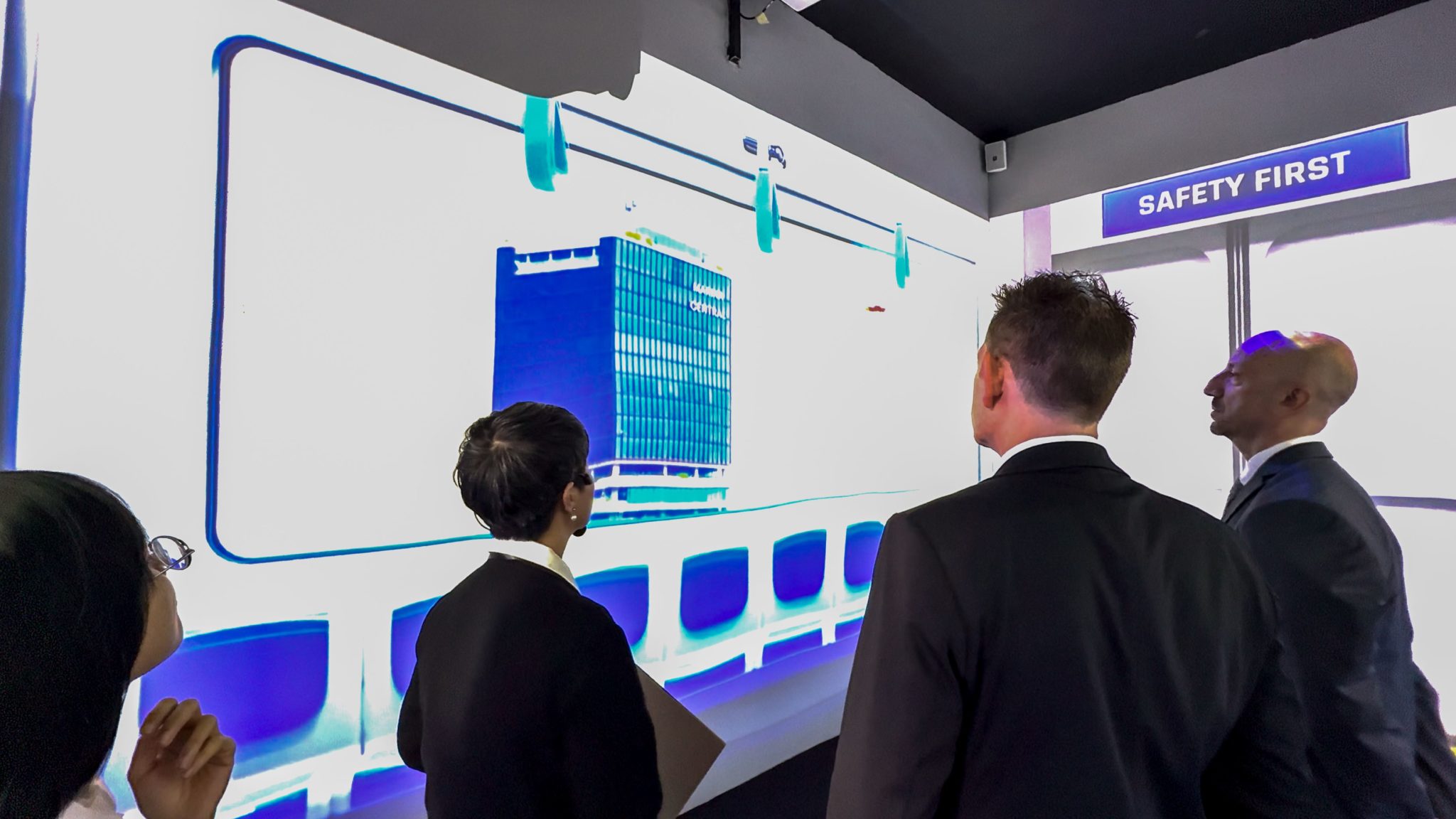
Alta Media – Experienced in delivering Projection Mapping solutions
Alta Media is among the experienced providers in deploying Projection Mapping and advanced display technologies. With the capability to supply specialized equipment and integrate operational systems, Alta Media can deliver end-to-end Projection Mapping solutions or flexibly participate in specific project components depending on requirements.
Systems implemented by Alta Media typically use high-brightness projectors ranging from 10,000 to 30,000 ANSI lumens, ensuring clear visuals in large spaces or complex lighting environments. High resolutions such as WUXGA or 4K enable detailed mapping on intricate surfaces, meeting the visual quality demands of large-scale events. In addition, techniques such as warping and blending allow precise alignment and seamless integration of images from multiple projectors, ensuring accurate display across real surface structures.
The system is also optimized for operation with tools that support automated calibration and content synchronization, reducing setup time while improving accuracy. Flexible lens options allow adaptation to various spatial conditions—from compact stages to large-scale or multi-angle projection areas. As a result, Projection Mapping is not just a display solution but a key component in building a cohesive visual experience.
In reality, Alta Media has implemented numerous Projection Mapping projects across different contexts, from events to experiential spaces. Recently, at The One Space—an experiential hub for the One Era urban development project—Projection Mapping was applied as a visualization solution, enhancing how audiences engage with project information. Through precisely configured and calibrated projector systems, content was projected directly onto the scale model, clearly illustrating planning, amenities, and development directions. This transformed the display from a static showcase into a dynamic visual experience, helping audiences better understand the project in real-world context.
At HOZO City Tet Fest 2025, Alta Media also delivered the Visual Mapping project Tet Morphosis – Immersing in the Rhythm of the City, creating a multi-layered, emotionally rich projection space. Within an immersive environment, traditional Tet imagery was reinterpreted through light, motion, and digital art, blending seamlessly with the rhythm of modern urban life. The synchronized projection system enabled fluid visual layers across the entire space, ensuring that mapping content was fully expressed—from fine details to large-scale scenes. As a result, Projection Mapping became not only a display medium but a driver of experience, connecting technology, space, and emotion in every moment.
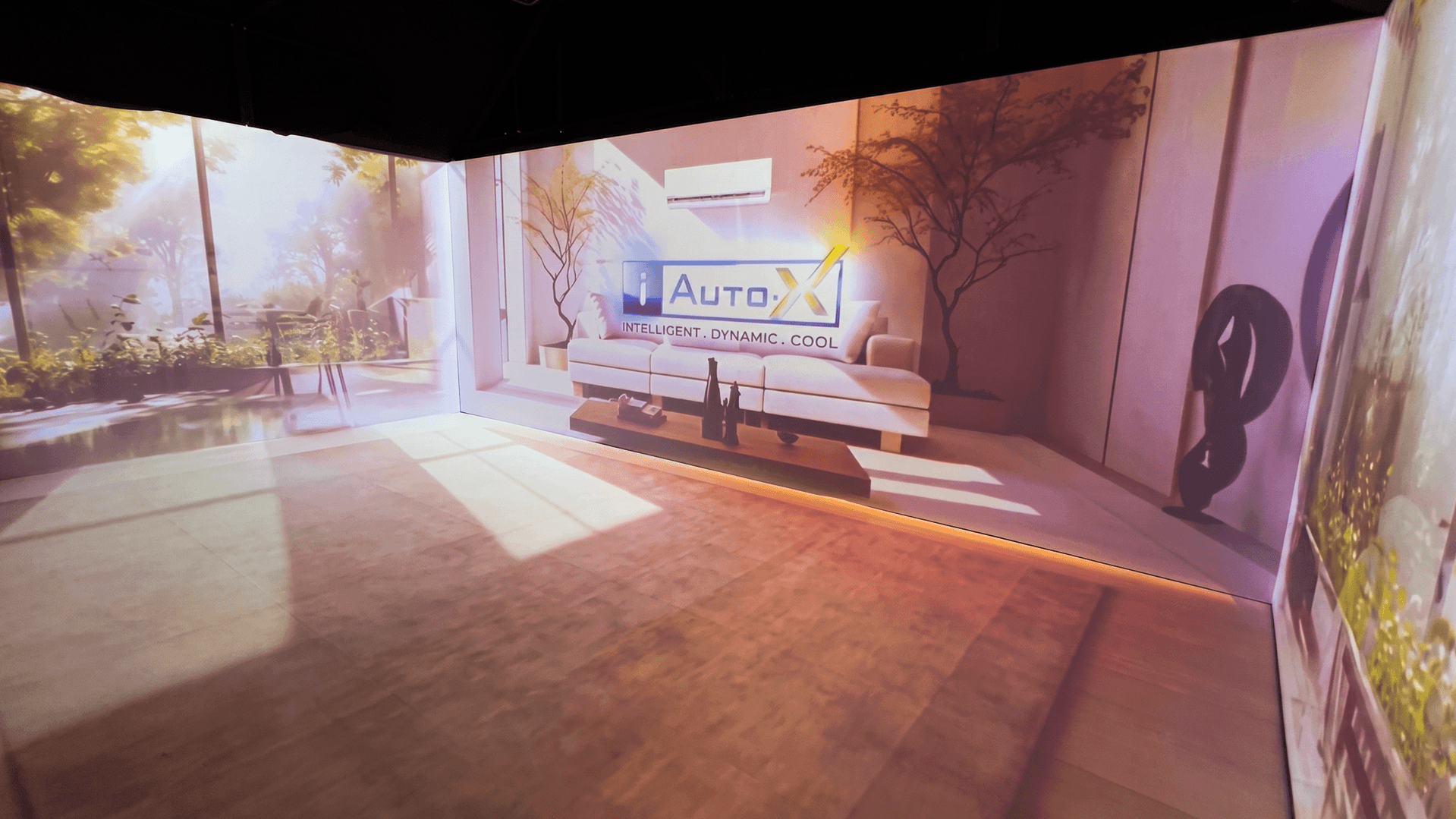
Projection Mapping at Panasonic event enhances depth and visual engagement
A notable application of Projection Mapping was at Panasonic’s customer conference themed “Sharing Excellence, Radiating Vitality.” The technology was used to create a spatially rich environment, enhancing visual experience while aligning with the event’s spirit of connection.
The projection system utilized Panasonic projectors, including three 10,000-lumen units and one 20,000-lumen unit. These were configured to optimize brightness and coverage across the entire projection surface. While the content was prepared by a partner, the central control system—powered by the P10 Presentation Switcher deployed by Alta Media—ensured seamless signal synchronization between projectors.
In this project, Alta Media was responsible for deploying and operating the Projection Mapping system, focusing on configuration, integration, and centralized control. Based on the available equipment, Alta Media’s technical team arranged projectors according to the actual space, optimized projection angles and coverage, and established signal coordination through the P10 Presentation Switcher to ensure system synchronization.
Image calibration on projection surfaces was executed with high precision, including geometric adjustments and blending across multiple projection sources to ensure content matched the original design. System operations were continuously monitored throughout the program, maintaining stable signals and preventing discrepancies during projection.
Through comprehensive deployment, integration, and system coordination, Alta Media ensured that all Projection Mapping content was delivered seamlessly, stably, and with the intended visual impact. This role demonstrates Alta Media’s capability in mastering technical solutions and system operations, effectively transforming creative concepts into immersive real-world experiences.
Projection Mapping is not just a display technology—it is a method that reshapes how content is expressed within space. When executed effectively, it creates a connection between visuals, lighting, and architecture, enhancing both communication impact and overall experience. With proven expertise and flexible solution capabilities, Alta Media continues to support businesses in applying Projection Mapping across events and experiential spaces, delivering increasingly refined and impactful experiences.